

News
News
14
2020
-
01
Introduction to the pressing and fixing mechanism of automobile inspection tools
In order to increase the positioning of automobile parts and obtain correct detection results, Beijing Branch inspection tools use parts pressing mechanism. Under the principle of not affecting the inspection of the automobile inspection fixture, use the pressure device (standard clamp) to fix it. When using standard clamps, the position of the device should be considered first (method: make the assembly surface of the clamp fixing seat when strengthening the angle frame), and try to ensure that the clamping device clamps the auto parts reliably and the clamping force is appropriate. And the positioning of auto parts in the inspection fixture and the appearance of the product are not damaged during clamping. The direction of the clamping force should be the normal direction of the clamping surface, and should be perpendicular to the main positioning surface of the auto parts, and the same direction as the working gravity; the principle of determining the size of the clamping force prevents the deformation of the auto parts.
1. Type of compressor (hereinafter referred to as clamp)
Vertical clamp:
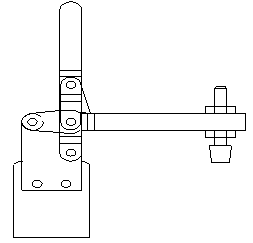
Fig. 1 Vertical Clamp
Horizontal clamp:
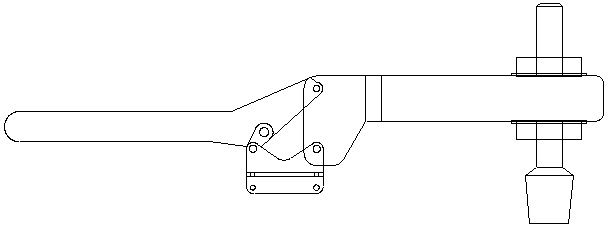
Fig. 2 Horizontal Clamp
Push-pull clamp:
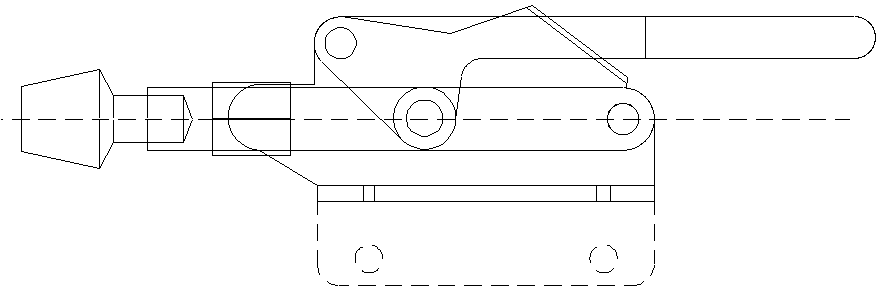
Fig. 3 Push-pull clamp
2. Pressing method
At present, the pressing mechanism mainly includes magnet fixing, pressing device (clamp) pressing and locking pin fixing. At present, the pressing mechanism of the pressing device (clamp) is widely used, and the magnet fixing method is used for small parts and more regular parts.
One-way compaction: the deviation between the compaction direction and the normal direction of the part surface is less than 5 degrees.
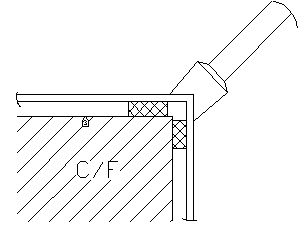
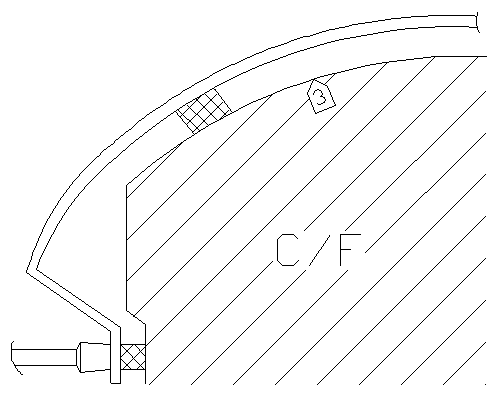
Fig. 4 Schematic Diagram of One-way Compression Fig. 4 Schematic Diagram of One-way Compression II
Two-way compression: the compression direction is on the angle bisector of the two planes of the compressed part, and the deviation is less than 5 degrees.
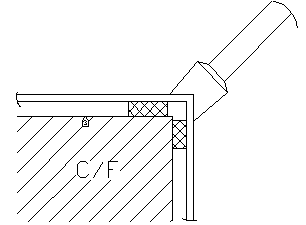
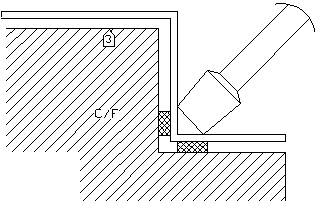
Fig. 5 Convex bidirectional compaction Fig. 5 Concave bidirectional compaction
Compression of tubular parts: the compression direction is on the line connecting the center of the tubular part and the angle of the support, and the deviation is less than 5 degrees.
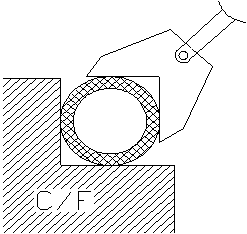
Fig. 6 Schematic Diagram of Pipe Compression
Lock pin compression: use lock pin to compress parts.
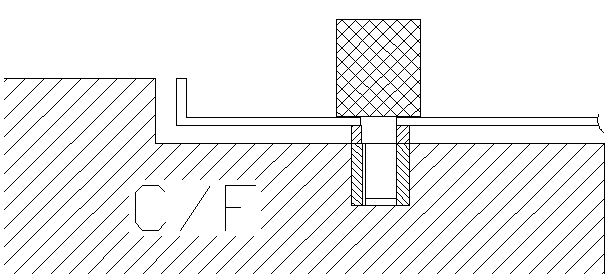
Fig. 7 Schematic Diagram of Locking Pin Pressing
Magnet fixing method: use strong magnet to fix parts. For some small parts or parts with regular shapes (small surface changes or small drawing depth), magnets can be used to fix them to eliminate the impact on the detection structure caused by excessive clamping force.
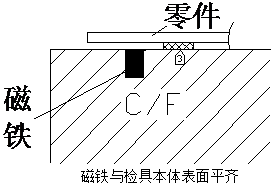
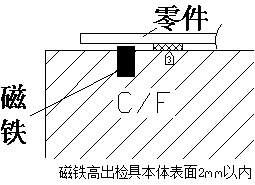
Fig. 8 Magnet Fixing Mode I Fig. 8 Magnet Fixing Mode II
3. Determination of the number of clamps
Except for positioning requirements, in principle, all inspection fixtures shall not be equipped with clamps for compaction. Where clamps are required, the number of clamps shall be minimized. The specific quantity shall be determined according to the actual part profile.
The clamping mechanism set by Jingke inspection tool has simple structure, safe, convenient, rapid and labor-saving operation. Beijing Jingke Inspection Tools Production Company has 16 years of experience, specializing in the design and production of various types of automotive inspection tools, using high precision, fast speed, good flexibility, strong data processing capabilities of the three-coordinate measuring instrument to ensure that the accuracy of Jingke inspection tools to meet customer requirements.
Key words:
Beijing Jingke Xingye Technology Development Co., Ltd.
Related News

undefined
Company address: No.19, Chaqian Road, Science and Technology Park, Changping District, Beijing
Address: Renyi Park, Xin 'an Town, Bazhou City, Langfang City, Hebei Province

tictoc


